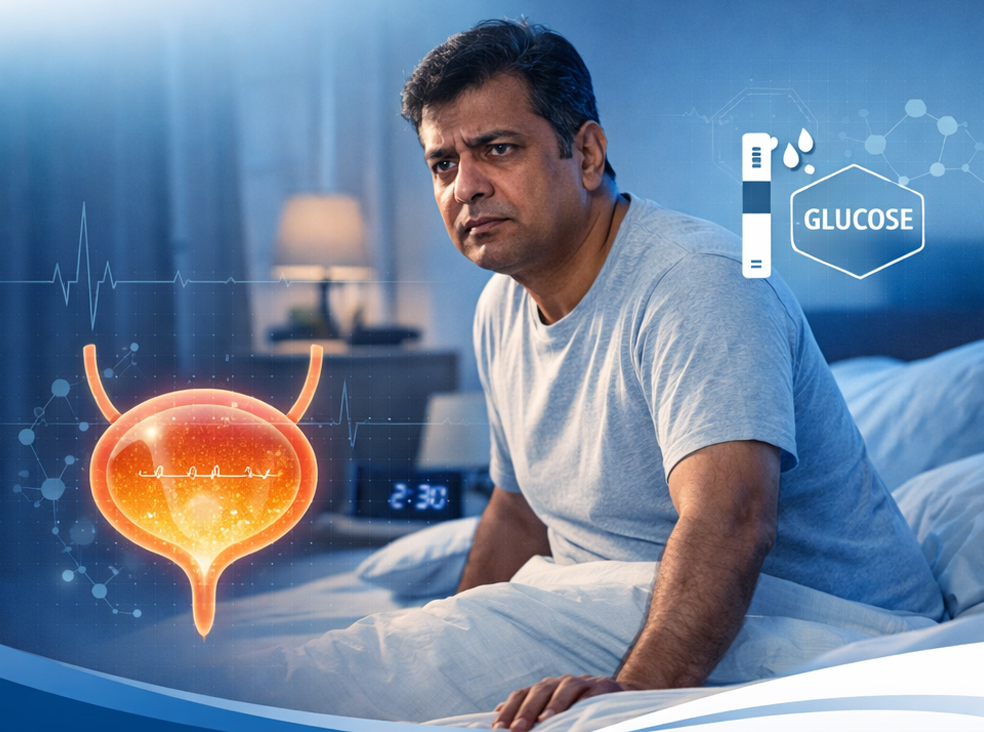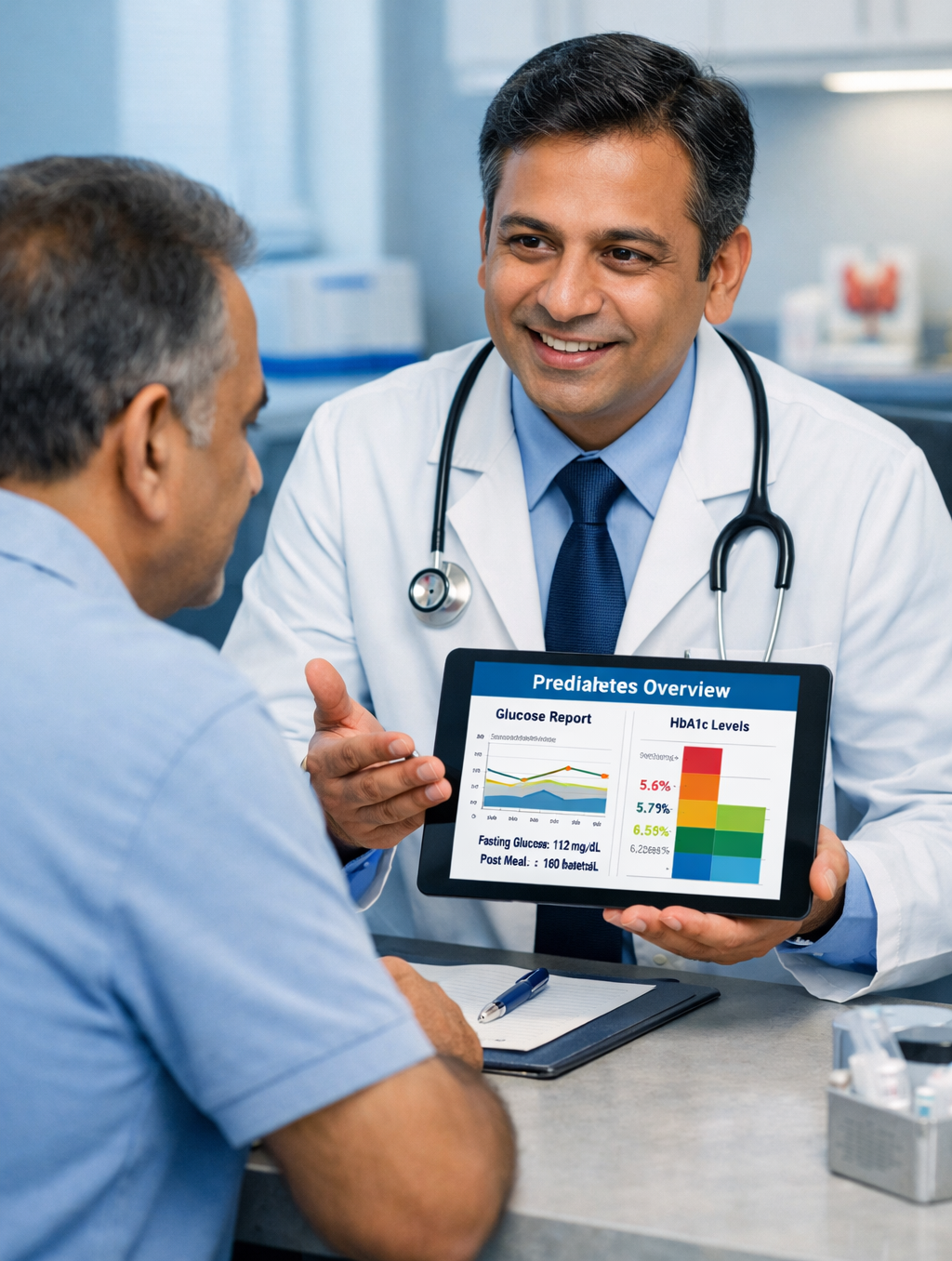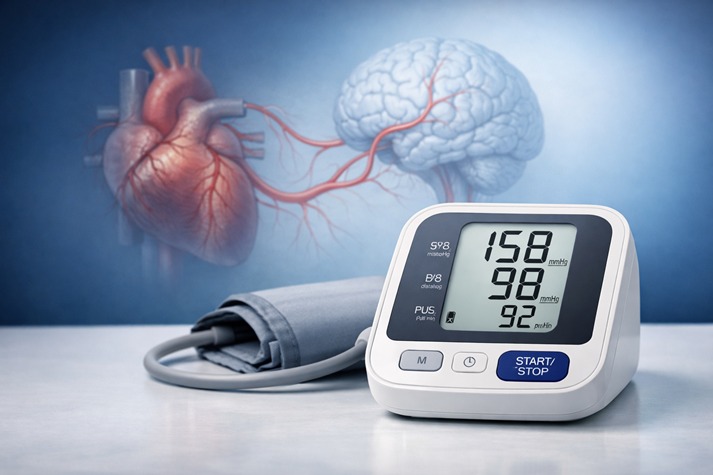
Frequent Urination: Could It Be a Sign of Diabetes or Hormonal Imbalance?
2026-04-02 11:53:06
Osteoporosis is often called a silent disease because bone loss
happens gradually and without symptoms until a fracture occurs. Many people
assume weak bones are just a part of aging, but untreated osteoporosis can lead
to serious complications, reduced mobility, and loss of independence.
Early screening and expert management can make all the difference.
What Is Osteoporosis?
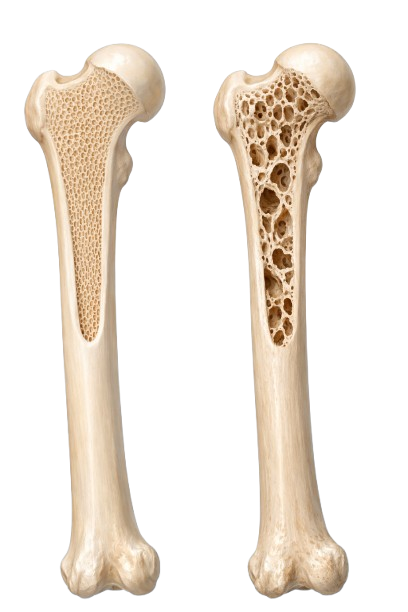
Osteoporosis is a condition in which bones become thin, porous, and
fragile, making them more likely to break even after a minor fall or
injury. The bone structure weakens over time due to an imbalance between bone
formation and bone loss.
Common Signs You Shouldn't
Ignore
Although early osteoporosis may not cause symptoms, warning signs can include:
Frequent Fractures
Fractures occurring after minor falls or simple activities are a red
flag.
Back
or Hip Pain
Persistent pain may result from small fractures in the spine or hip.
Loss
of Height
Gradual reduction in height can occur due to compression fractures of
the spine.
If you notice these signs, it's important to seek medical evaluation
promptly.
Who Is at Higher Risk?
Osteoporosis can affect anyone, but risk increases with:
An endocrinologist helps identify hormonal and metabolic causes
of bone loss.
Why Early Screening Matters
Early screening helps:
A DEXA scan (bone mineral density test) is commonly used to
diagnose osteoporosis.
How Is Osteoporosis Treated?
Treatment focuses on strengthening bones and preventing fractures:
1.Medications
To slow bone loss and improve bone density.
2. Calcium & Vitamin D Supplementation
Essential for bone health and muscle strength.
3.Lifestyle
Changes
4.Hormonal
Evaluation
Correcting underlying endocrine disorders that contribute to bone loss.
Stronger Bones, Safer Life
Osteoporosis is manageable when diagnosed early. With proper treatment,
lifestyle changes, and regular follow-up, patients can maintain mobility and
reduce fracture risk significantly.
Final Message
Don't wait for a fracture to discover weak bones. If you have bone
pain, height loss, or frequent fractures, it's time to get screened. Early
action leads to stronger bones and a safer, more active life.
Consult an Expert
Endocrinologist
Dr. Aashish Reddy B
Consultant
Endocrinologist
+91 9901312125
www.draashishreddyendocrinologist.com