Hormonal Causes of Unexplained Weight Gain | Endocrinologist in Secunderabad
2026-03-11 09:38:43
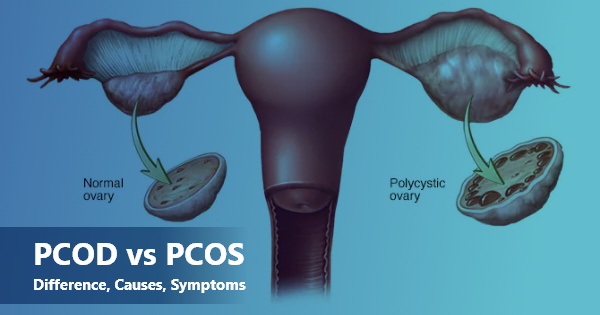
Many women search online to understand the difference between PCOS and PCOD when they experience irregular periods, weight gain, acne, or fertility problems. Although the names sound similar, these conditions are not the same.
PCOD is usually a mild ovarian condition, whereas PCOS is a serious hormonal and metabolic disorder affecting the entire endocrine system. This blog explains PCOS vs PCOD, their symptoms, causes, complications, and the correct treatment approach.
PCOD (Polycystic Ovarian Disease) occurs when the ovaries release many immature or partially matured eggs that later form cysts. It is generally linked to lifestyle and hormonal fluctuations.
Common causes include:
PCOD usually does not cause severe hormone imbalance and fertility is often preserved.
PCOS (Polycystic Ovary Syndrome) is a more serious hormonal and metabolic disorder that affects ovulation, insulin sensitivity, and androgen (male hormone) levels.
PCOS affects:
In PCOS, insulin resistance raises androgen levels, disrupting ovulation. This leads to weight gain, acne, excess facial hair, and fertility difficulties.
| Feature | PCOD | PCOS |
|---|---|---|
| Nature of Condition | Mild ovarian disorder | Hormonal + metabolic syndrome |
| Egg Release | Immature eggs | Irregular or absent ovulation |
| Hormone Imbalance | Mild | High androgens + insulin resistance |
| Periods | Slightly irregular | Frequently missed |
| Severity | Low | High |
| Fertility | Mostly normal | Often affected |
| Long-term Risks | Minimal | Diabetes, infertility, obesity |
Which is more serious — PCOS or PCOD?
PCOS is more serious because it affects metabolism, hormones, and ovulation.
PCOD is often reversible with lifestyle changes.
PCOS requires long-term and structured treatment.
Is PCOS reversible naturally?
PCOS can be managed and symptoms can improve with consistent lifestyle changes and medical care.
Can PCOD turn into PCOS?
Not necessarily, but poor lifestyle habits may worsen hormonal imbalance.
PCOS and PCOD are often confused, but they differ in severity and treatment. PCOD is manageable with lifestyle changes, while PCOS requires medical monitoring and metabolic correction. Early diagnosis and a personalized treatment plan lead to better hormonal balance and fertility outcomes.