Hormonal Causes of Unexplained Weight Gain | Endocrinologist in Secunderabad
2026-03-11 09:38:43
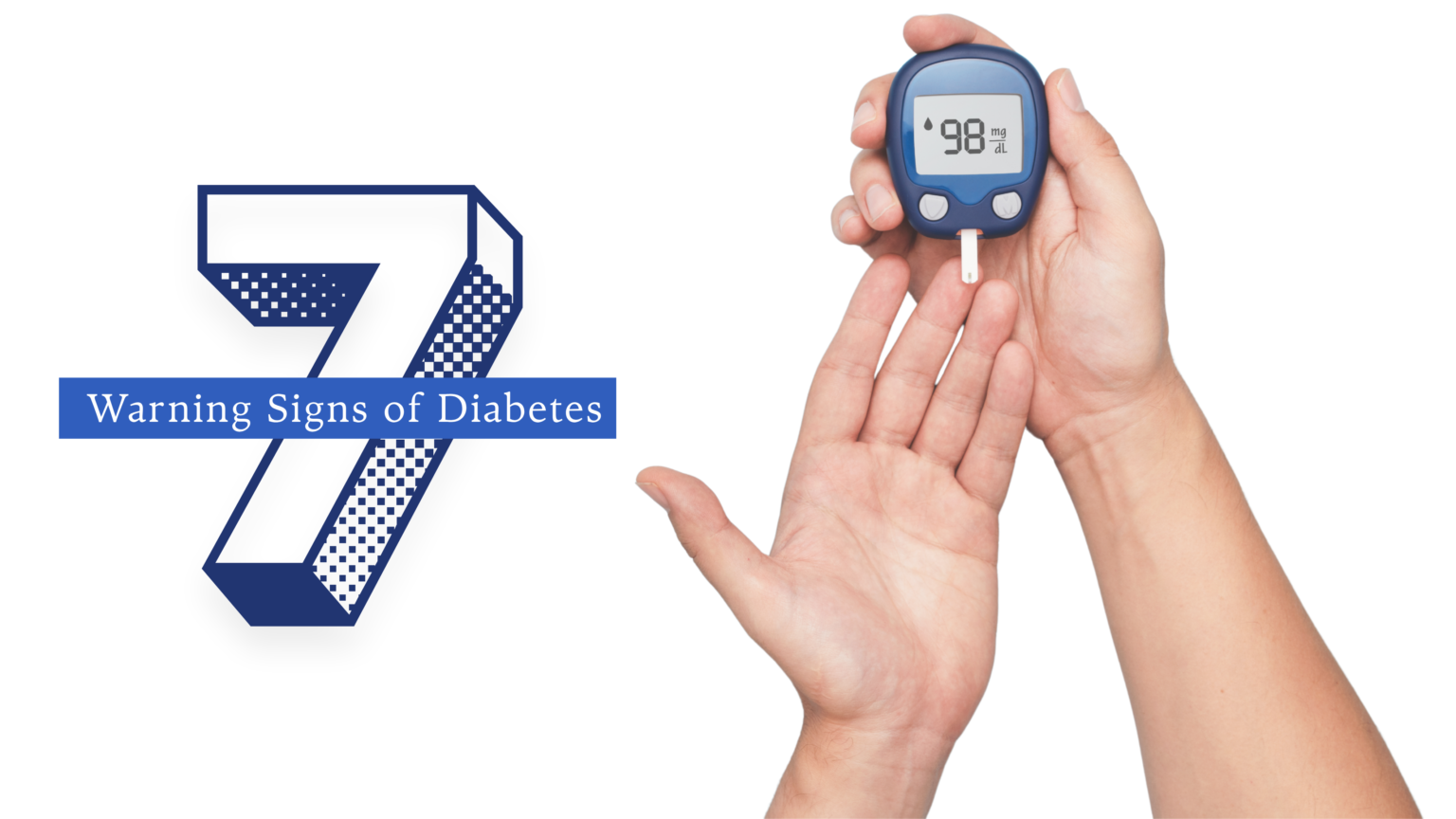
Diabetes is one of the fastest-growing health conditions worldwide, yet many people remain undiagnosed until complications arise. Early symptoms often appear subtle and are easily ignored. Recognizing the early warning signs of diabetes allows timely testing, lifestyle changes, and treatment.
This blog explains the most overlooked diabetes symptoms, why they occur, and when to consult a doctor. It also answers common questions such as “What are the first signs of diabetes?” and “How do I know if I have early diabetes?”.
Diabetes is a metabolic disorder where the body cannot properly use insulin, resulting in high blood sugar levels.
Early detection of Type 2 diabetes helps prevent complications like kidney disease, nerve damage, and heart problems.
Excessive thirst is one of the earliest diabetes symptoms. High blood sugar forces the kidneys to remove excess glucose through urine, causing dehydration.
Is feeling thirsty all the time a sign of diabetes?
Yes — persistent thirst may indicate elevated blood sugar.
Waking up multiple times at night to urinate can be an early warning sign.
Why it happens: Excess sugar pulls water from tissues, increasing urine output.
Is frequent urination a sign of diabetes? Yes, especially when it starts suddenly.
Can sudden weight loss be related to diabetes? Yes — it's a classic early symptom.
Diabetic fatigue occurs when glucose cannot enter cells to produce energy.
Why do diabetes patients feel tired? Sugar stays in the blood instead of fueling cells.
High blood sugar pulls fluid from the eye lens, leading to temporary vision changes.
High sugar levels slow blood circulation and weaken immune response.
Early nerve damage (neuropathy) may start before diabetes is diagnosed.
Dark, thick, velvety skin patches often indicate insulin resistance.
Cells lack energy because glucose cannot enter them, causing constant hunger.
Fluctuating blood sugar levels affect the brain, leading to mood swings and headaches.
When multiple symptoms occur together, diabetes screening becomes essential.
Recommended Tests:
What are the first signs of diabetes?
Increased thirst, frequent urination, fatigue, blurry vision, and dark neck patches.
When should I get checked?
If you have two or more symptoms or a family history, testing is recommended.
Early signs of diabetes are often subtle but should never be ignored. Recognizing symptoms early allows timely diagnosis, better management, and prevention of complications. If you notice persistent symptoms, consult a healthcare professional promptly.